
We are a diverse team of researchers passionate about improving responses to whānau experiencing mental distress

Katey Thom
Katey Thom, of Pākehā descent, is a Senior Lecturer in Law at AUT. She explores the spaces where law and health interface. Katey is passionate about social justice issues in mental health and addiction, which recently has led to a focus on exploring the way police respond to people in mental distress. Together with Sarah, Katey co-leads the Marsden project and has specific oversight of the police experiences of responding to mental distress in the community.
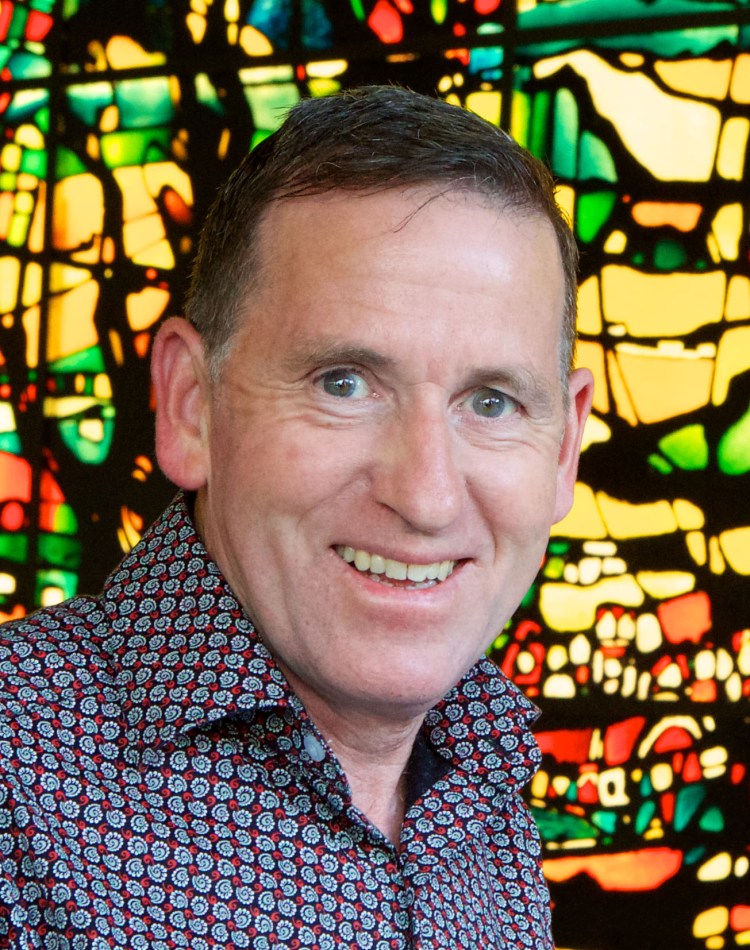
Anthony O’Brien
Tony O’Brien is a mental health nurse currently employed as Associate Professor of Mental Health Nursing at Te Huataki Waiora School of Health, University of Waikato. Tony has a clinical and research interest in police and mental health and has previously published research on police use of Tasers in mental health crises and police use of firearms in cases of people in mental distress. Tony is co-researcher on this project.
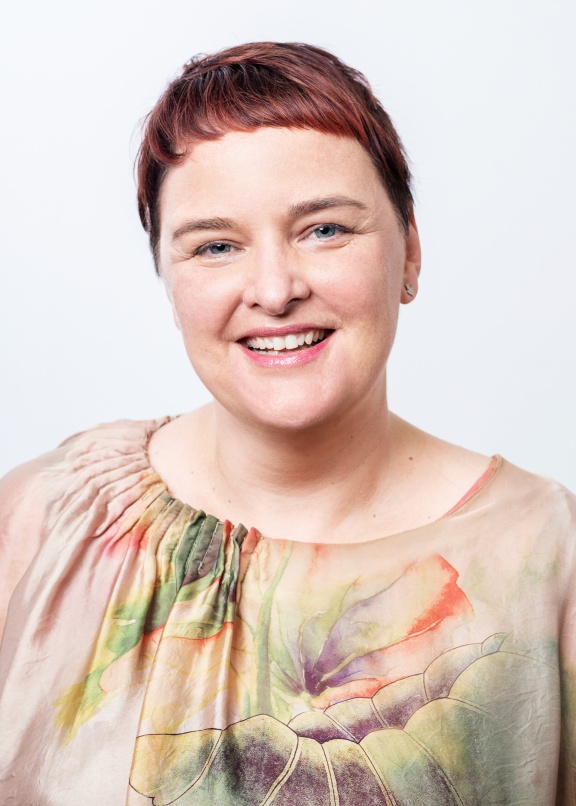
Sarah Gordon
Sarah Gordon leads the “World of Difference” service user academia education and research team as part of the Department of Psychological Medicine at the University of Otago Wellington. The education and research programs being led or co-produced by the World of Difference team are focused on ending discrimination, and promoting recovery, inclusion, and respect for the human rights of people who experience mental distress. Sarah co-leads the project with Katey, with specific oversight of the citizen stories.

Jacquie Kidd
Jacquie Kidd, of Ngāpuhi descent, is an Associate Professor in Māori Health at AUT. Jacquie has an extensive background in kaupapa Māori research, where her focus is on amplifying the voices of whānau as experts in their own communities, and on finding local solutions to health inequity issues. She is also leading a major national project into anti-racism practices in the health care sector. Jacquie is a co-researcher on this project.
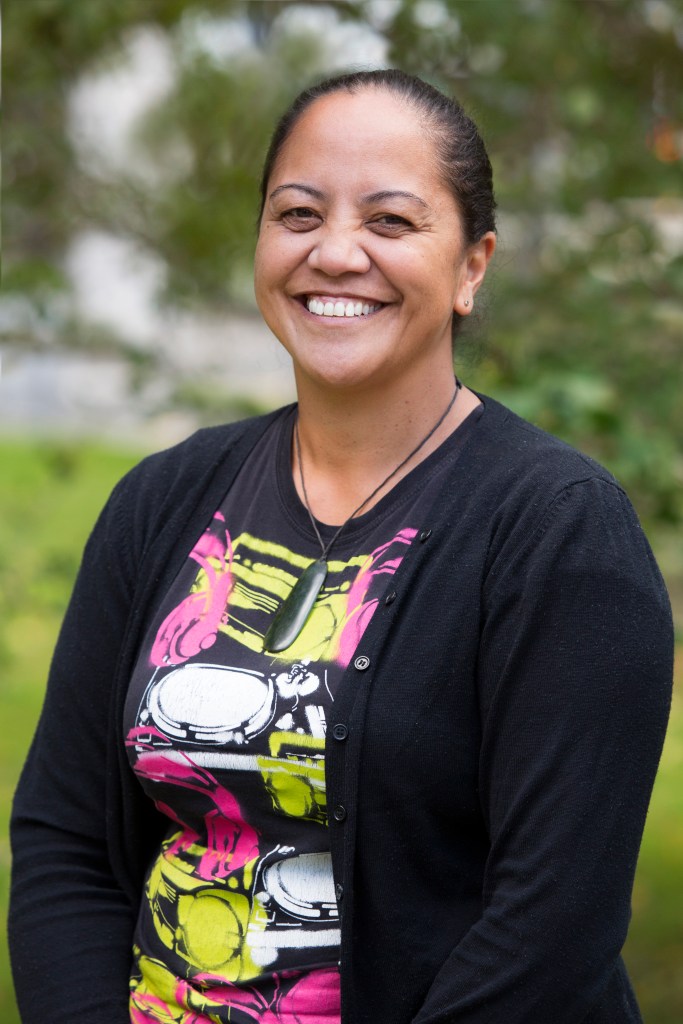
Stella Black
Stella is of Ngāi Tūhoe, Whakatōhea and Ngāti Whakaue descent. Stella brings her love of working with Māori, young and old, to a range of topics. Her previous research has spanned mental health, addictions, palliative and end of life care, prostate cancer, lung cancer and specialist courts. A common thread across her research is a commitment to kaupapa Māori ideologies and turning her attention to highlighting inequities and areas for improvement that align with community based solutions. Stella is a co-researcher on this project, working closely with Katey to understand the experiences of police in responding to mental distress in different communities; and with Sarah to understand the experiences of citizens in engaging with the police when experiencing mental distress.
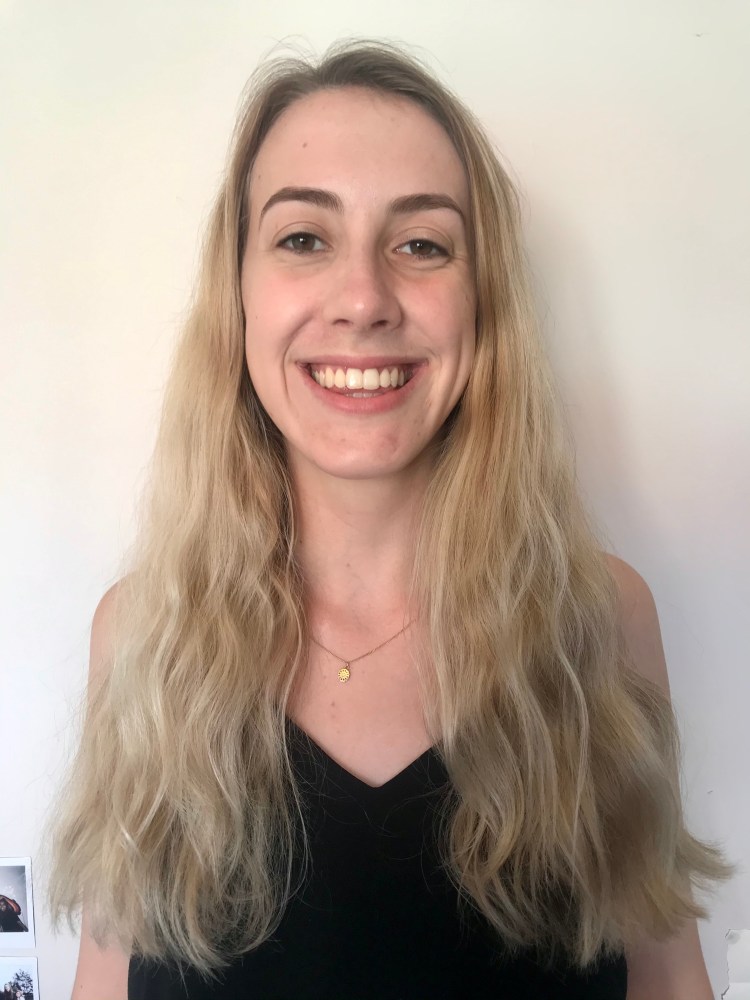
Maddy Hayward
Maddy is a PhD student carrying out her research as part of this project at AUT. She previously studied psychology and has researched sexual violence prevention and how clinical psychologists can best support trans people. Maddy’s research interests are connected by a passion for finding out how physical and mental wellbeing can be best supported in New Zealand communities. Maddy will be part of the team interviewing citizens.
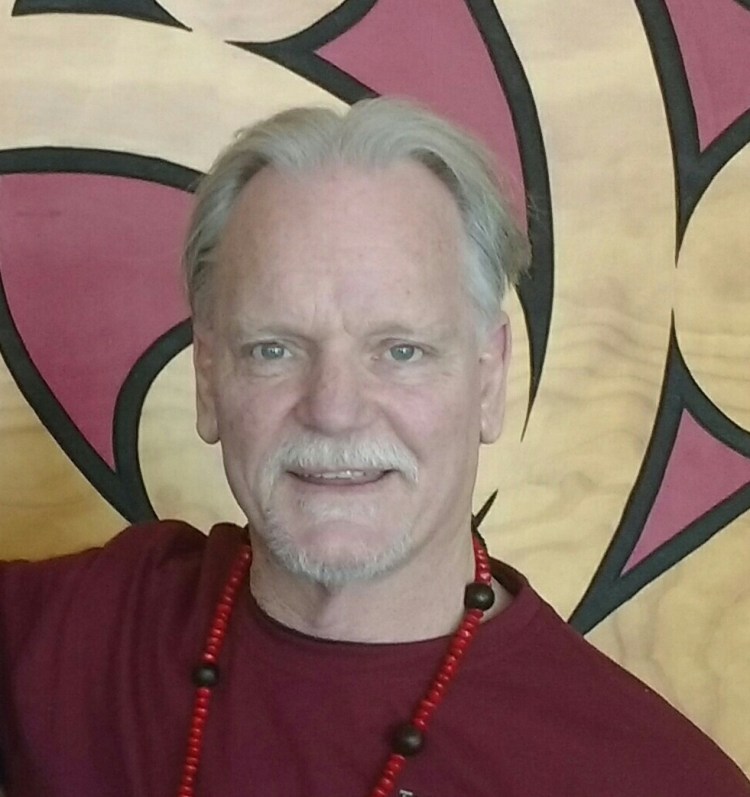
Dave Burnside
Develoment manager at Odyssey House and is currently completing a Masters in Law with AUT. He has an extensive lived experience of addiction, mental health distress and interaction with the justice system. Dave will be part of the team doing interviews with citizens.

Brian McKenna
Brian McKenna is a Professor of forensic mental health and has a joint appointment between AUT and the Auckland Regional Forensic Psychiatry Services. His research interests in forensic mental health and mental health law are diverse, with an emerging interest in research directed at reducing the use of restrictive practices and understanding culturally specific health care provision. Brian is an old “sea dog” who still likes to dust of the surfboard over the summer months. Brian is a co-researcher on this project, helping build relationships with the police.
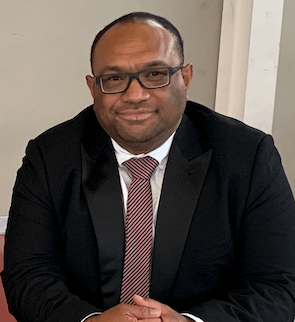
Sione Vaka
Sione hails from the Kingdom of Tonga and migrated to New Zealand in 1999. He had been working in different areas of mental health including acute inpatient, crisis services, early interventions, liaison psychiatry, and cultural services. Sione’s research interests are mental health, Pacific health, men’s health, and youth. Sione completed his PhD, exploring the meanings of mental distress amongst Tongan people. He has been awarded a number of research grants including the Sir Thomas Davis Te Patu Kite Rangi Ariki Health Research Fellowship.
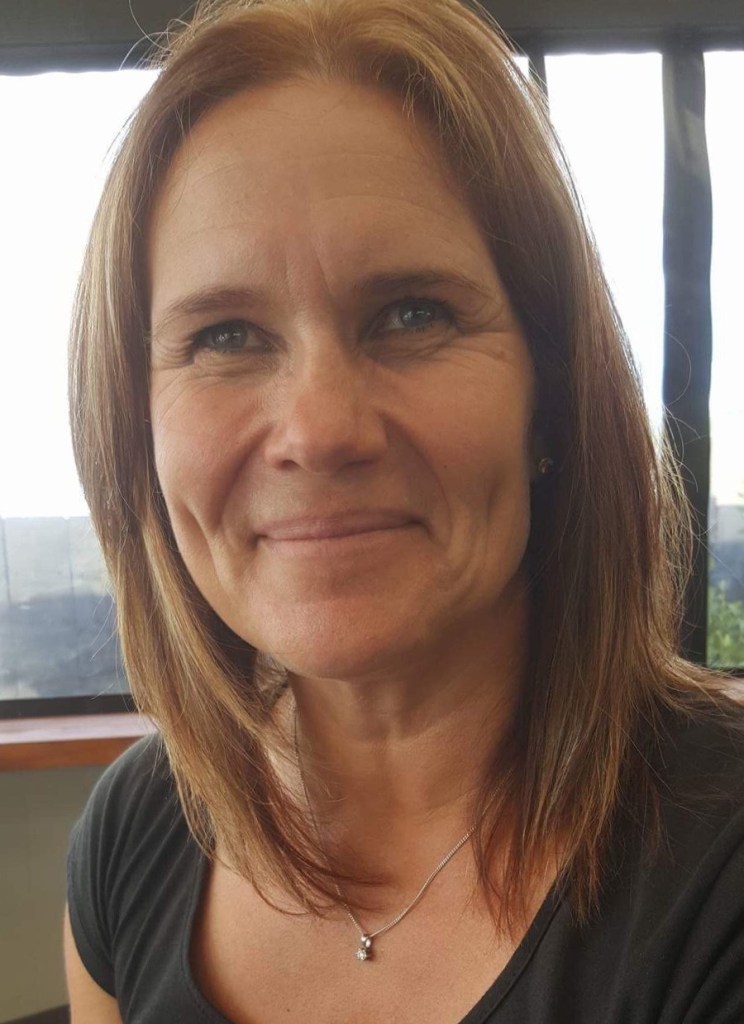
Kiri Hunter
Kiri has an extensive nursing background working in healthcare and academic settings. Of Māori and northern European whakapapa (descent) she has tribal connections to Ngāti Kahungunu, Rangitāne and Ngāti Maniapoto iwi. As an early career researcher, Kiri has a vested interest in Māori nursing workforce development and improving Māori health and social outcomes. Previous research focused on new graduate nurses’ professional socialisation and clinical teaching and learning experiences, and the cultural and clinical practice realities of Māori nurses. Kiri is carrying out her PhD as part of this project and will be part of the team interviewing citizens.
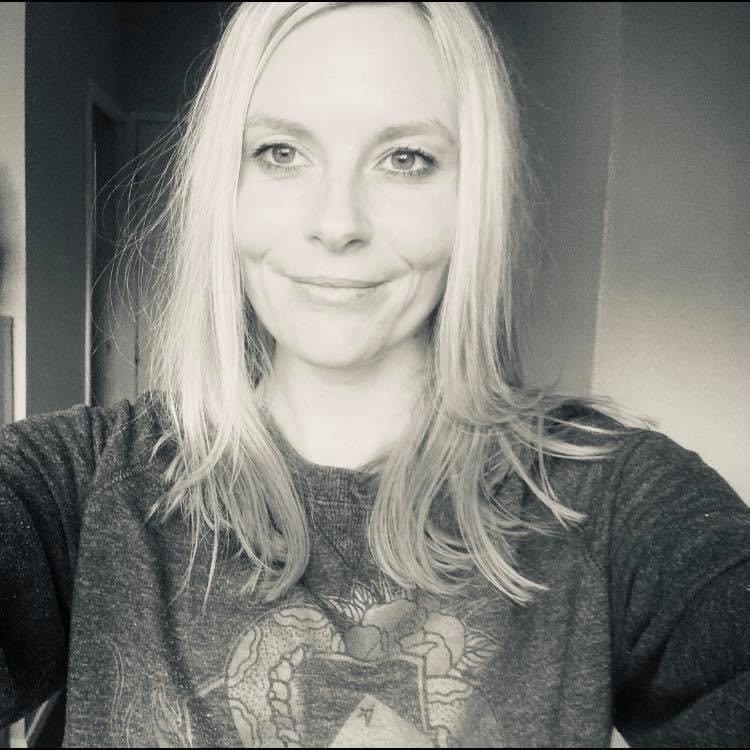
Jess Hastings
Jess Hastings has a degree in Criminology and Education from the University of Auckland and received a Deans honours award. She is currently working as a research assistant on AUT’s He Ture Kia Tika project. Jess has lived experience with mental health issues, incarceration and addiction. Jess is currently 11 years clean and is passionate about using her experiences to help others who are experiencing similar challenges. Jess will be part of the team doing interviews with citizens.
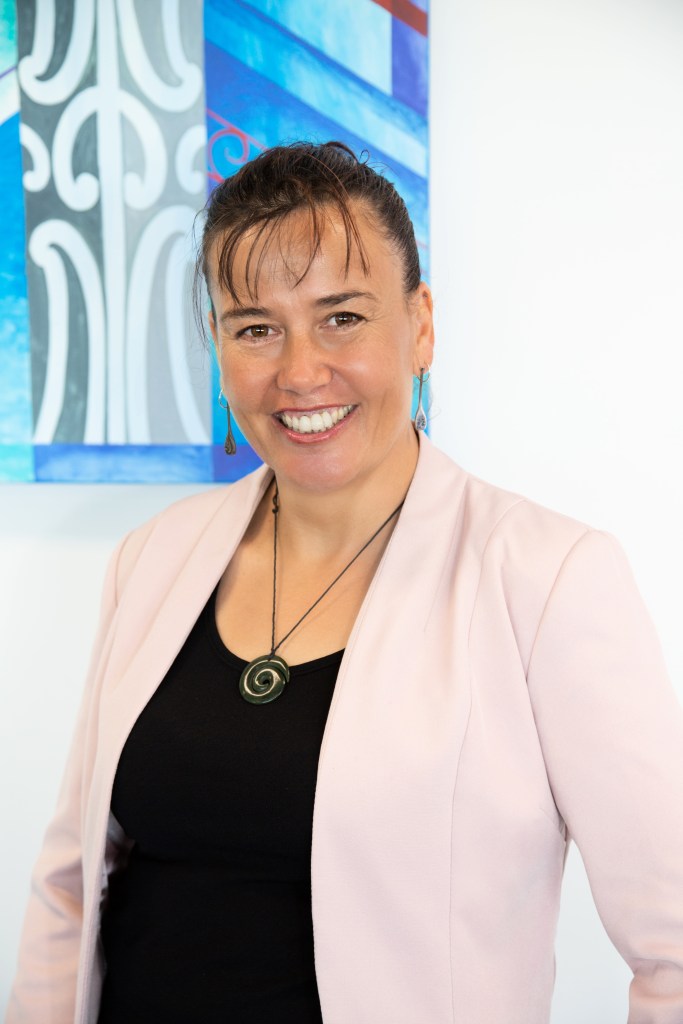
Kerri Butler is of Ngāpuhi and Ngāti Porou descent. Kerri is the Director of Take Notice and is completing her Post graduate diploma in public health at the University of Auckland. She has a passion for kaupapa Māori research, and strengthening communities to self determine solutions. Her own lived experience of mental distress grounds her focus in honouring the narratives of people who experience mental distress. Kerri will be part of the team interviewing citizens.


 Whānau/citizen stories